 Free Estimate
Free Trip Fee
Free Sewer Camera
Free Estimate
Free Trip Fee
Free Sewer Camera
Call Now (704)448-6884

Welcome back to Happi Plumbing Channel. We’d like to share another plumbing money-saving tip. This one might even help you solve a major problem at no cost.
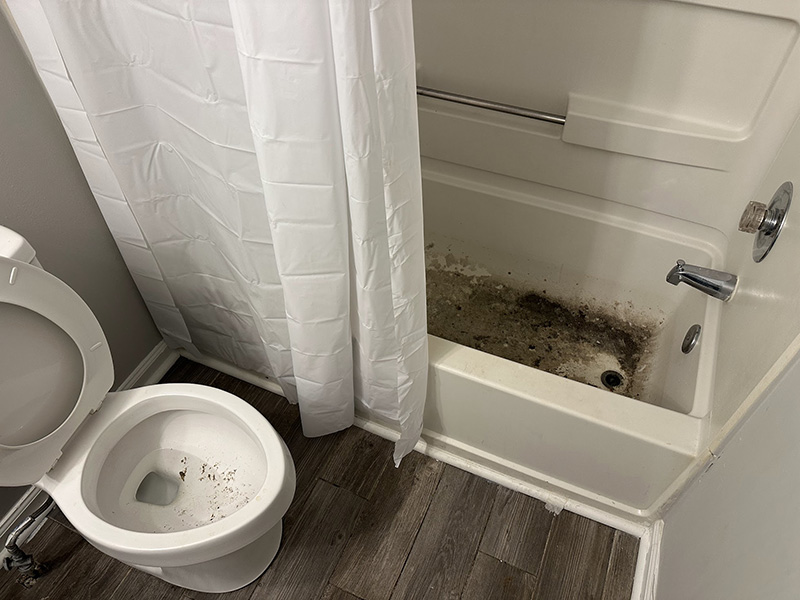
When your main sewer line gets clogged, it can become a disaster. Wastewater may start bubbling up from toilets and bathtubs. So what should you do first?
The first thing is to stop using water immediately. This is especially important if you’re using water on the second floor. If wastewater can’t flow out through the sewer line, it will back up and come out at the lowest fixtures in the house.
Homeowners with a basement need to be particularly careful. Since basements aren’t visited as often, a blocked main sewer line can cause sewage to back up through basement toilets, tubs, or showers without anyone noticing. I once saw a customer whose entire basement was covered with sewage before they realized there was a problem. Wastewater was everywhere.
What happens next?
Many people panic and immediately call a plumber to come clear the blockage.
But before doing that, you can perform a simple inspection yourself. In some cases, you may save hundreds of dollars in drain-clearing costs.
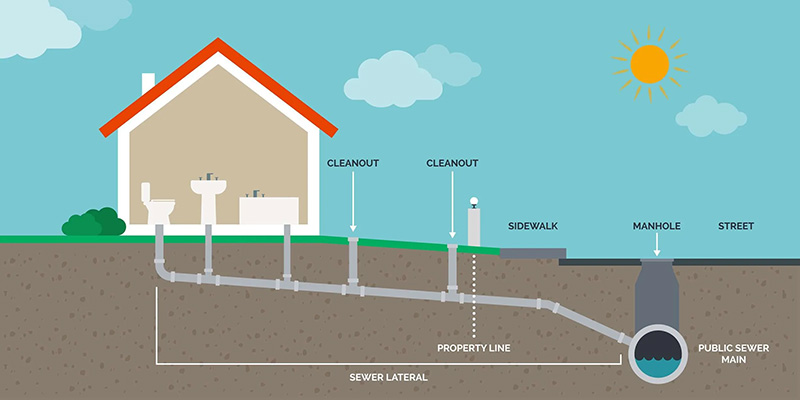
Here’s a typical American residential sewer system. As you can see, there are usually two cleanouts located outside:
Pay attention to the locations of these two cleanouts.
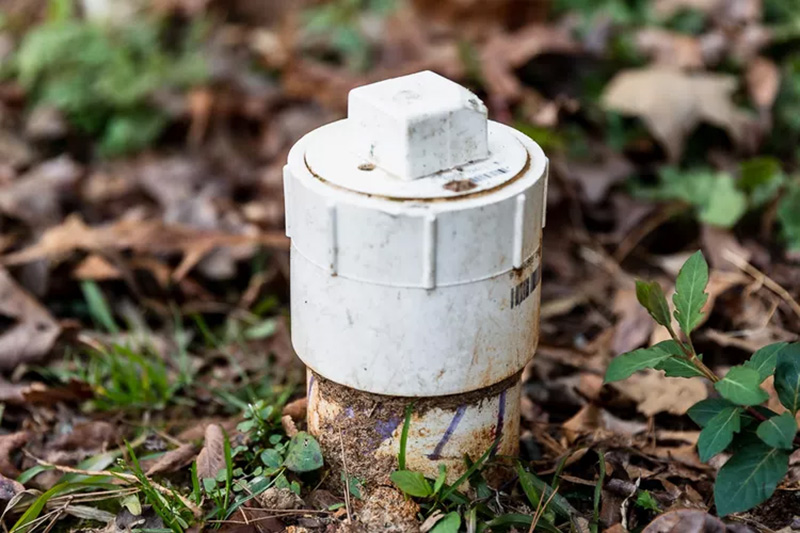
It looks just like this.
Make sure you know where your street cleanout is located. Many homeowners can’t find it simply because it’s been buried over the years under grass, soil, mulch, or landscaping materials.
If you can’t locate yours, take some time to look around the area near the curb or property line. Knowing where it is can save you a lot of time, stress, and money when a sewer backup occurs.
Now, let’s take a look at a recent case I worked on that shows exactly why finding your street cleanout is so important.
Take a close look at the markings engraved on the concrete curb along the street. You’ll often see various letters indicating the utility lines buried underground.
This particular homeowner didn’t have any visible sewer marking on the curb. After I cleared the blockage, I used a sewer camera to locate the sewer line for him. Once we identified its location, I suggested that he use a chisel to carve a marking into the concrete himself so it would be easier to find in the future.
If you know where the street cleanout is located, open it as soon as possible when you suspect a sewer backup.
If you see sewage flowing out of the street cleanout, that’s usually a strong indication that the blockage is on the city’s side of the sewer system, rather than on your private sewer line.
In that case, call 311 immediately. In many cities, the municipal sewer department will send a crew to investigate and, if the blockage is determined to be in the public sewer main, they may clear it at no charge to the homeowner.
That simple check could potentially save you hundreds of dollars in unnecessary plumbing service fees. Keep in mind that responsibility and procedures vary by city, so it’s always a good idea to verify your local municipality’s sewer maintenance policies.
In this case, the homeowner’s house cleanout was full of water, indicating that there was a blockage somewhere downstream.
Now, let’s walk through the entire case step by step and see exactly how we diagnosed the problem and determined where the blockage was located. This is a great example of how a simple inspection can help identify whether the issue is on the homeowner’s side or the city’s side of the sewer system.
During the drain cleaning process, we discovered that the blockage was caused by a large buildup of paint-related grease and residue inside the sewer line.
The heavy-duty sewer machine was unable to clear the blockage. When I pulled the cables back out, I noticed that the cutter head was covered with dirt and soil. That’s usually a strong indication that the main sewer line has been damaged or broken, allowing soil to enter the pipe.
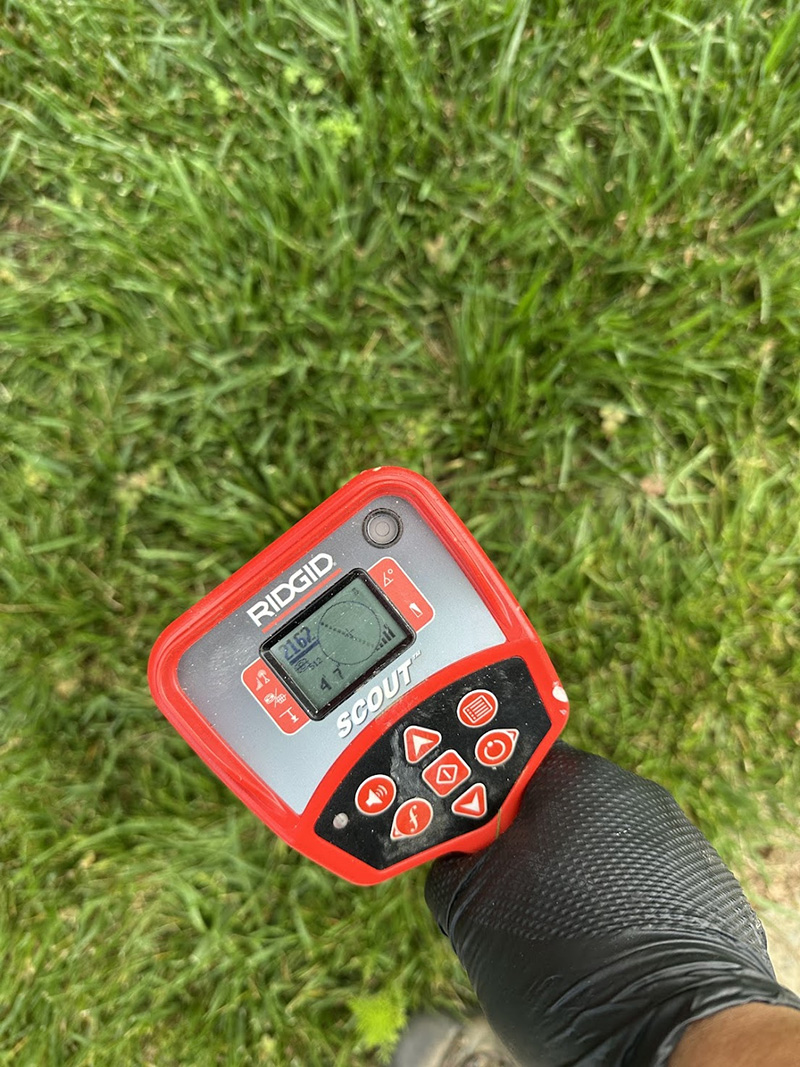
At that point, I switched to a different tool and continued the clearing process.
Afterward, I used a sewer camera to help the homeowner locate the city cleanout and perform a complete inspection of the main sewer line.
The camera inspection revealed several issues:
Based on the condition of the pipe, our recommendation was to excavate and replace the entire main sewer line from the house cleanout all the way to the street cleanout rather than continue making temporary repairs.
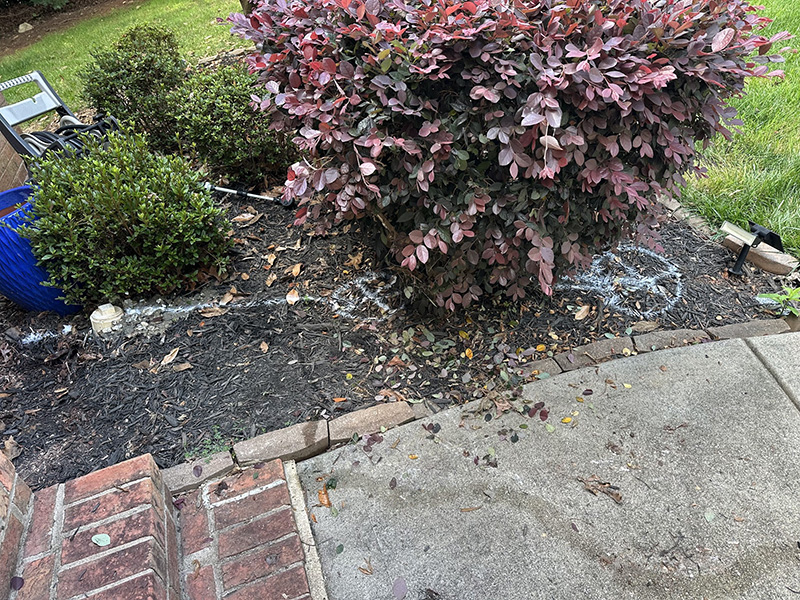
Once the line was cleared and the problem was identified, the homeowner was finally able to use the plumbing system normally again.
Laundry, cooking, showers, and everyday life were back to normal—and the homeowner was extremely happy with the result. 😊
 Free Estimate
Free Trip Fee
Free Sewer Camera
Free Estimate
Free Trip Fee
Free Sewer Camera
